
Sleep Apnea and Oral Health
Sleep apnea is a serious sleep disorder that affects many people and can have a significant impact on overall health. One important link between sleep apnea and oral health is the risk of dry mouth, loud snoring, and jaw pain. Obstructive sleep apnea (OSA) is the most common form of sleep apnea and occurs when the muscles in the throat relax and cause an obstruction in the airway during sleep. This can lead to breathing pauses and disrupted sleep quality. People with OSA may also experience bruxism, or teeth grinding, which can further impact dental health. However, untrained dentistry professionals do not always recognize the connection between sleep apnea and dental care. It is important for patients to go to a dentist that is trained in sleep medicine like Dr. Perry of Sleep Solutions.
Patients with sleep apnea often have dry mouth because of breathing through the mouth during sleep, which can increase the risk of dental problems like cavities and gum disease. Additionally, the use of Continuous Positive Airway Pressure (CPAP) machines to treat sleep apnea can cause oral care issues, such as dryness and irritation. Sleep apnea and your dental health have a close connection, and addressing both aspects of care is important to ensure better sleep and overall health. Dental sleep medicine focuses on treating sleep disorders like OSA and central sleep apnea based on oral and jaw function, providing a holistic approach to improving sleep quality and overall well-being.
Understanding the connection between sleep apnea and dental health can help identify and address potential issues that may arise from this common condition. Understanding the connection between sleep apnea and dental health can help identify and address potential issues that may arise from this common condition, which is also linked to other medical conditions such as heart disease and diabetes. People who snore loudly or experience frequent breathing pauses during sleep should consult with a sleep physician to determine if they have sleep apnea. By working with both dental and medical professionals, individuals can receive comprehensive care to manage their sleep apnea and improve their overall health and well-being.
What is the Impact of Sleep Apnea on Oral Health?
Obstructive sleep apnea, a common sleep disorder, interrupts breathing during sleep, often resulting in poor quality sleep and daytime fatigue. Despite apparent health problems linked to obstructive sleep apnea, dental settings do not always recognize many people with sleep apnea. Dental professionals may notice signs of sleep apnea, like teeth grinding, which is often described by dental professionals. Sleep apnea can lead to a range of oral health issues, including dry mouth, tooth decay, and gum disease. There are several risk factors for obstructive sleep apnea, such as being overweight or having a large neck circumference. Some individuals may also have complex sleep apnea, which involves a combination of obstructive and central sleep apnea. It is important for dental professionals to be aware of the oral health implications of sleep apnea and work with patients to address any issues.
Recognizing Symptoms of Dental Issues Caused by Sleep Apnea
Understanding sleep apnea is crucial for recognizing the symptoms of dental issues that may arise from this condition. Individuals who suffer from sleep apnea may experience a range of oral health problems, such as mouth dryness, tooth wear, grinding their teeth, and oral infections because of interruptions in breathing during sleep. Diagnosing sleep apnea early can help in detecting these symptoms through regular dental check-ups and oral examinations. Left untreated, sleep apnea’s impact on the muscles that control breathing can lead to an increased risk of periodontal disease, bacteria in the mouth, and tooth decay. Sleep apnea can also affect certain medical conditions, making it essential to seek treatment for both improved health conditions and oral health.
Mouth breathing during sleep, a common side effect of sleep apnea, can exacerbate dental issues and contribute to oral infections. Individuals who cannot tolerate CPAP treatment for sleep apnea may find relief by addressing oral health concerns with their dentist. By identifying the signs of sleep apnea-related dental problems, such as grinding their teeth or mouth dryness, individuals can take proactive measures to improve their overall well-being. Seeking early intervention for sleep apnea can help prevent further complications and promote improved health outcomes in the long term.
Role of Dentists in Treating Sleep Apnea
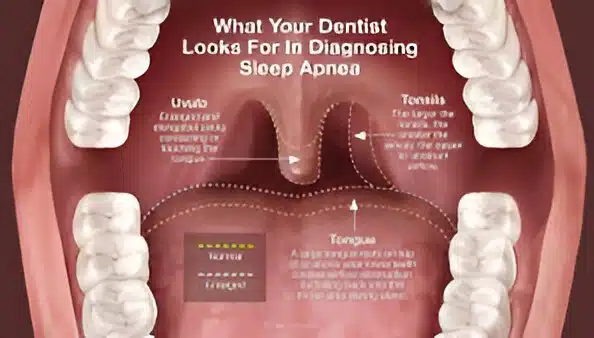
Sleep apnea affects millions of people worldwide and can have serious consequences if left untreated. Many people may not realize that specially trained dentists play a crucial role in identifying and treating this condition. By examining a patient’s oral health during a regular check-up, a well-trained dentist may detect the signs of sleep apnea. This includes looking for factors such as a restricted airway, enlarged tonsils, or a recessed jaw. If left untreated, sleep apnea can not only affect a person’s quality of sleep but also increase their risk of tooth decay and other oral health problems. Overall, dentists have an important role in helping to improve the quality of life for people affected by sleep apnea.
Impact of Sleep Apnea on Tooth Grinding and TMJ Disorders
Sleep apnea can have a significant impact on oral health, particularly in relation to tooth grinding and TMJ disorders. Many people who suffer from sleep apnea also experience increased levels of tooth grinding, known as bruxism. This constant grinding and clenching of the teeth can lead to excessive wear and tear on the enamel, as well as potential damage to the teeth and surrounding structures. Additionally, the strain placed on the temporomandibular joint (TMJ) during episodes of tooth grinding can contribute to the development of TMJ disorders. It is important for dental professionals to be aware of these potential issues, as they can negatively affect people’s oral health over time. By detecting oral health issues related to sleep apnea early on, dentists can help patients manage their symptoms and prevent further damage to their teeth and jaw joints.
Preventing Tooth Decay and Gum Disease in Sleep Apnea Patients
Sleep apnea can affect people in a variety of ways, including an increased risk of tooth decay and gum disease. This is due to the fact that individuals with sleep apnea often breathe through their mouths, leading to a dry mouth which can contribute to the build-up of harmful bacteria in the mouth. Additionally, the use of CPAP machines can also contribute to dry mouth and oral health issues. To prevent tooth decay and gum disease in sleep apnea patients, it is important to maintain good oral hygiene practices, such as brushing and flossing regularly and using mouthwash. It is also important to stay hydrated and to drink plenty of water throughout the day to combat dry mouth. Finally, regular dental check-ups are essential for identifying and addressing any oral health issues before they worsen. By taking these preventative measures, sleep apnea patients can help protect their oral health and overall well-being.
What Are the Treatment Options for Sleep Apnea-Related Dental Problems?
For treating sleep apnea-related dental problems, there are several options available to help ease symptoms and improve quality of sleep. Nightlase laser treatment and Oral appliances are a common treatment option for mild-to-moderate sleep apnea, which work by tightening the collagen in the back of the throat and shifting the position of the jaw to keep the airway open during sleep, respectively. Dr. Perry custom makes these devices, which are worn like a mouth guard. Another treatment option is continuous positive airway pressure (CPAP), which involves wearing a mask that delivers a steady stream of air to keep the airway open. In more severe cases, doctors may recommend surgery to correct any structural issues that contribute to the sleep apnea. Lastly, practicing good dental hygiene and maintaining regular dental check-ups can help prevent further complications from sleep apnea-related dental problems.
CPAP Therapy and Oral Appliance Treatment for Sleep Apnea Patients
For patients with sleep apnea, CPAP therapy, oral appliance treatment and Nightlase laser treatment are common treatment options to help ease symptoms and improve quality of sleep. CPAP therapy involves wearing a mask connected to a machine that delivers a continuous flow of air to keep the airways open during sleep. This method is highly effective for many patients, but some individuals may find it uncomfortable or inconvenient to use. Oral appliance treatment involves wearing a custom-fitted device in the mouth to help keep the airways open by shifting the position of the jaw. Patients who have difficulty using a CPAP machine often prefer this treatment option. Nightlase laser treatment is a non-invasive treatment with zero downtime. This works by tightening the collagen in the back of the throat to open up the airway. It is important for patients to discuss their preferences and concerns with Dr. Perry to determine the best treatment plan for their individual needs.
Benefits of Oral Appliance Therapy in Addressing Sleep Apnea and Dental Health Issues
Medical professionals have increasingly recognized Oral Appliance Therapy (OAT) as an effective treatment for individuals with obstructive sleep apnea. By wearing a custom-fitted oral appliance while sleeping, patients can experience improvements in their sleep quality and daytime alertness. OAT works by repositioning the jaw to keep the airway open during sleep, reducing the instances of breathing pauses and snoring. In addition to addressing sleep apnea, OAT can also have positive effects on dental health. These oral appliances can help prevent teeth grinding and TMJ pain, improve bite alignment, and reduce the risk of developing jaw-related disorders. Patients using OAT often report feeling more rested and experiencing fewer dental issues, making it a valuable treatment option for those with sleep apnea and dental health concerns.